Hilsa (Ilish) Fish: Nutrition, Best Season and Buying Tips
Bangladesh’s national fish is rich in omega-3. Find out when hilsa tastes best, how to recognise top-quality ilish and how to store it.
In this article
Hilsa, or ilish, is more than a fish in Bangladesh. It is a celebration. Its rich, oily flesh is loved in shorshe ilish, bhapa ilish and crispy fry.
Hilsa nutrition
- One of the richest natural sources of omega-3 fatty acids, for heart and brain health
- High-quality protein
- Rich in vitamin D, vitamin A, calcium, iron and selenium
When is hilsa season?
Hilsa is at its best during the monsoon, from July to October, when it swims from the Bay of Bengal into the rivers to spawn. To protect breeding, fishing is banned for 22 days around the October full moon, and catching jatka (young hilsa) is banned from November to June.
How to recognise top-quality hilsa
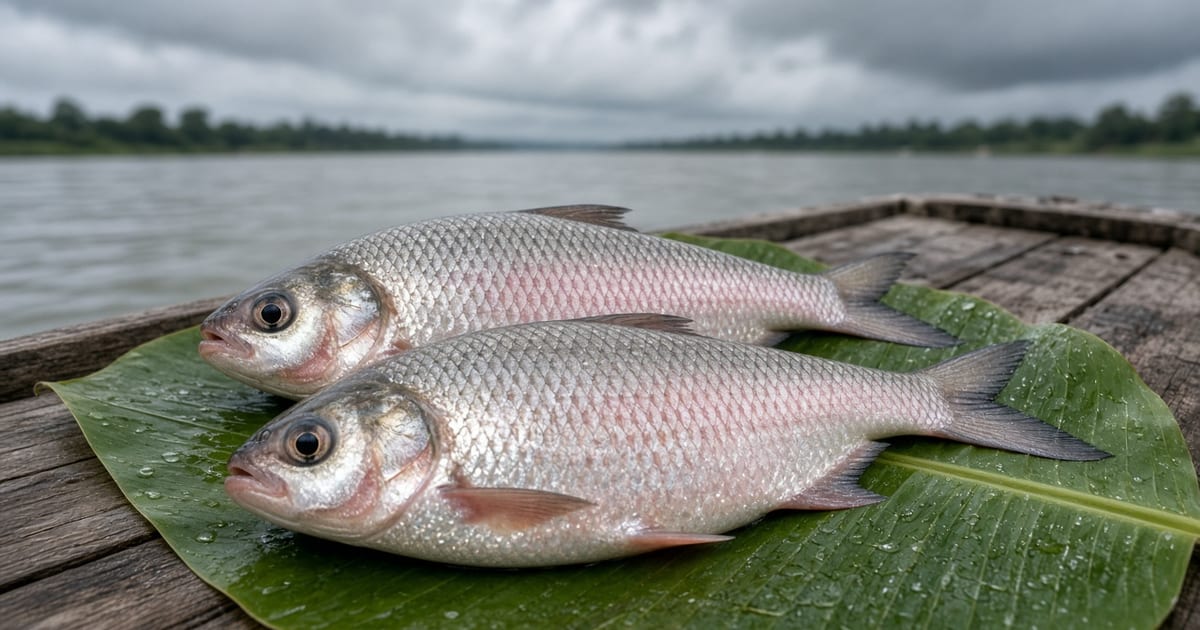
- Bright silver body with a slight pink tint
- Broad, thick back, a sign of high fat content
- Small head compared to the body
- Fish of 1 kg or more have the richest taste
- River hilsa from the Padma and Meghna is slimmer and sweeter than sea hilsa
How to store hilsa
Clean the fish, cut into pieces, pat completely dry and freeze in airtight bags. Hilsa keeps its flavour for about three months. See our full fish freezing guide.
Frequently asked questions
Which is better, river hilsa or sea hilsa?
River hilsa from the Padma and Meghna is usually considered tastier and richer, while sea hilsa is more widely available and more affordable.
Is hilsa good for health?
Yes. Hilsa is packed with omega-3, protein and vitamin D. Steaming or light curries keep the most nutrients.
Ready to taste the difference? Buy fresh hilsa online, sourced directly from the Sundarbans and delivered across Bangladesh.
Found this helpful?
0Like this articleWritten by
Administrator
Part of the Mangrove Collection team, bringing you honey and seafood straight from the Sundarbans.
Comments